
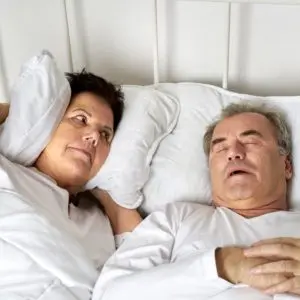
If you snore and feel tired, even if you’ve had a full night’s sleep, you may be experiencing sleep apnea. It’s a potentially serious sleep disorder, so it’s important to see your doctor to be evaluated and get necessary testing if your doctor suspects sleep apnea. Read on to learn about the different types of sleep apnea, the symptoms and causes.
Types of sleep apnea
There are a few types of sleep apnea, including obstructive sleep apnea. This is the most common form that occurs when throat muscles relax. Central sleep apnea occurs when your brain doesn’t send good signals to the muscles that control your breathing. Complex sleep apnea occurs when someone has both central and obstructive sleep apnea.
Symptoms
The signs of obstructive and central sleep apnea are loud snoring, gasping for air while you sleep, episodes where you stop breathing during sleep, waking up with a dry mouth, a dull morning headache, difficulty staying asleep, excessive daytime sleepiness, irritability and difficulty with attention.
Causes
When the muscles in the back of your throat relax with obstructive sleep apnea, the airway narrows or closes when you breathe in. This can lower the oxygen level in your blood. When your brain senses this happening, it will arouse you and your partner may notice a snort or gasp during your sleep.
If you have central sleep apnea, your brain doesn’t transmit signals to your breathing muscles. You may wake up with shortness of breath or have a difficult time falling asleep or staying asleep.
Risk factors
Obesity and thicker neck circumference are factors that increase your risk of obstructive sleep apnea. This sleep apnea tends to affect males who are older, who have a narrow throat or have a family history of sleep apnea. Drinking alcohol and smoking can contribute to obstructive sleep apnea. Allergies or anatomical problems that cause difficulty breathing, and certain medical conditions such as congestive heart failure, high blood pressure and type 2 diabetes can increase the risk of obstructive sleep apnea.
If you are concerned that you may have sleep apnea, call (512) 601-0303 today to make an appointment with Dr. Slaughter.
Interested in Balloon Sinuplasty? Contact Us Today to Get Started

If chronic sinus pressure, congestion, recurrent infections, or difficulty breathing through your nose continue to interfere with daily life, a more thorough evaluation may help identify the underlying cause. At Sinus & Snoring Specialists, our team focuses on detailed anatomical assessment and minimally invasive treatment options designed to improve long-term sinus function and nasal airflow.
To learn whether balloon sinuplasty may be appropriate for your condition, contact our Austin office at (512) 601-0303 or request a consultation online.